Lisbon, Portugal · São Domingos de Benfica
A 17th-century palace still lived in by the Marquises of Fronteira, with the largest collection of 17th-century tiles in their original setting. Guided visits €17, gardens from €8.
The Palácio dos Marqueses de Fronteira was built around 1670 for Dom João de Mascarenhas, 1st Marquis of Fronteira, as a summer residence and hunting lodge on the edge of Lisbon. After the 1755 earthquake destroyed the family's town house, it became their main home. Their descendants still live here.
It is a national monument, and it holds the largest collection of 17th-century azulejos preserved where they were first installed: battle scenes inside, knights, kings, gods and monkeys outside, and a formal garden that ranks among the finest in Portugal.
Visits are run by the family's foundation. The garden you can walk alone; the palace you see only on a guided tour, about an hour long, in English, French, Spanish or Portuguese.
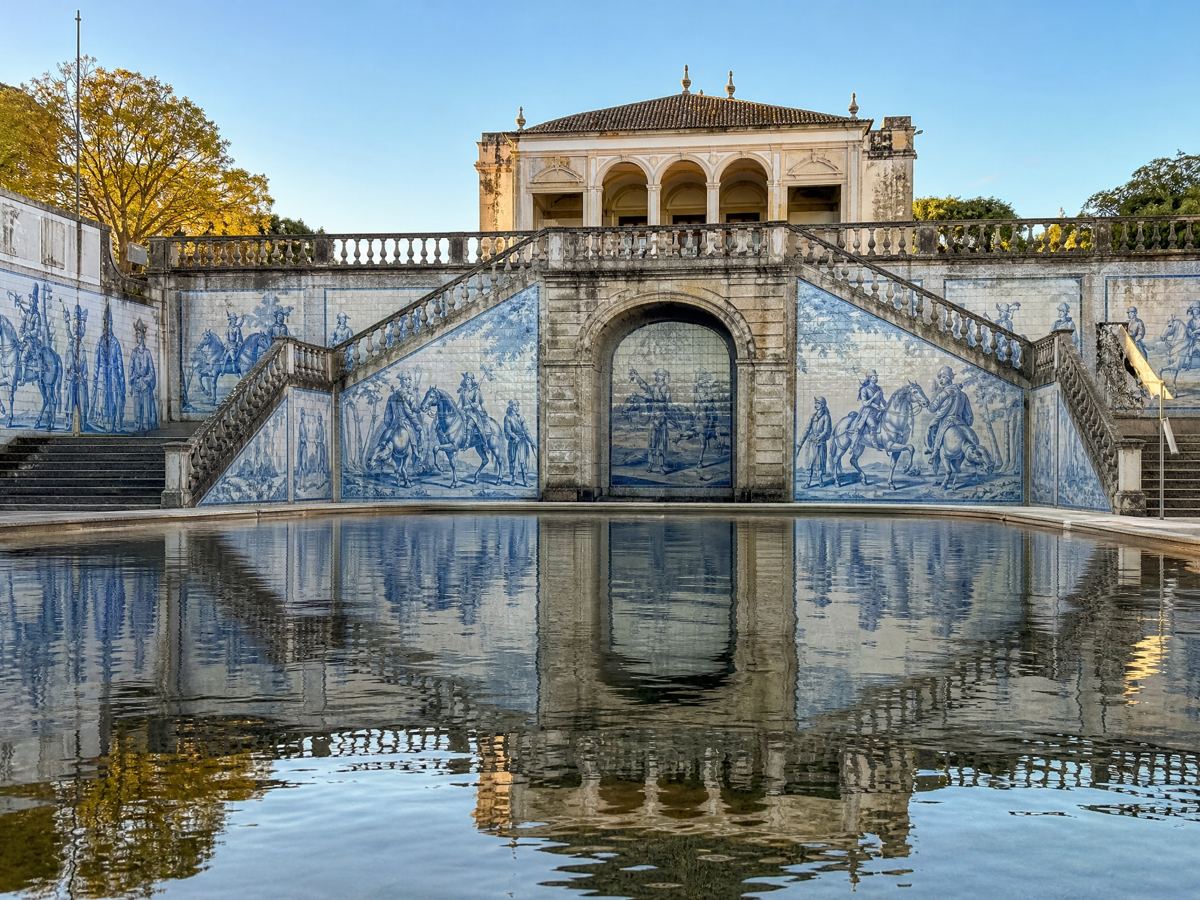
A long water tank backed by tile panels of the family's ancestors on horseback, larger than life. Twin staircases climb either side. On a still morning the knights appear twice, once on the wall and once in the water.
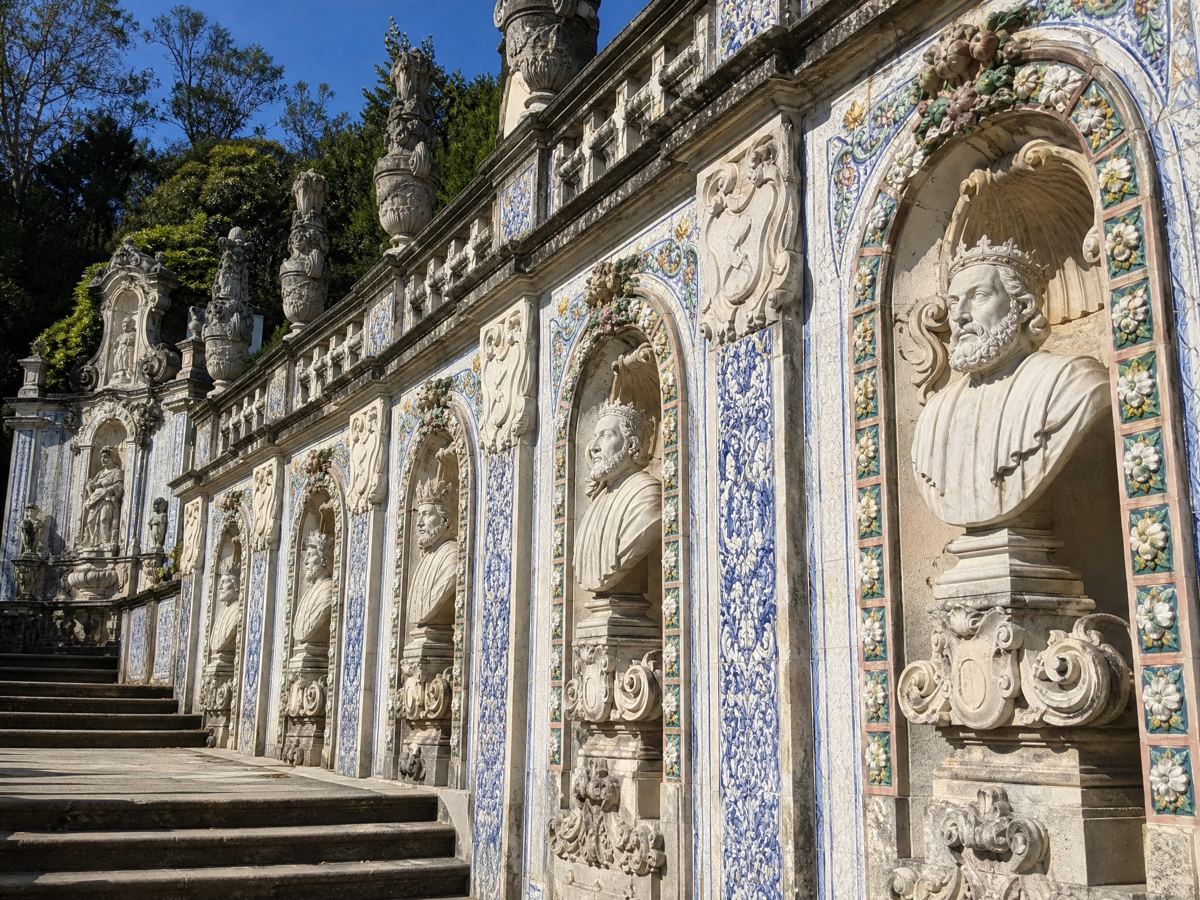
Above the lake, busts of Portugal's kings sit in niches framed by tiles and shell-work. Count them: the three Spanish Philips are missing, a political statement in stone from a family that fought for independence.
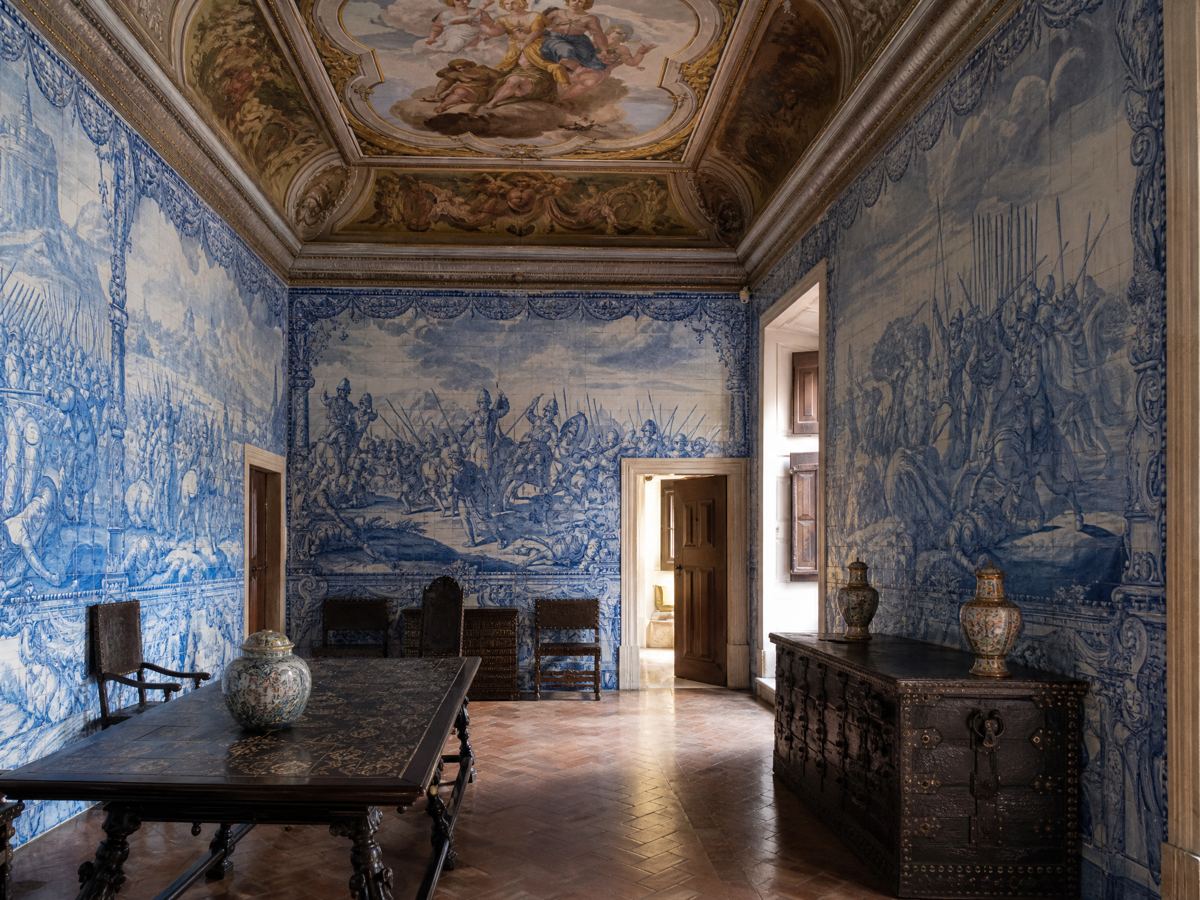
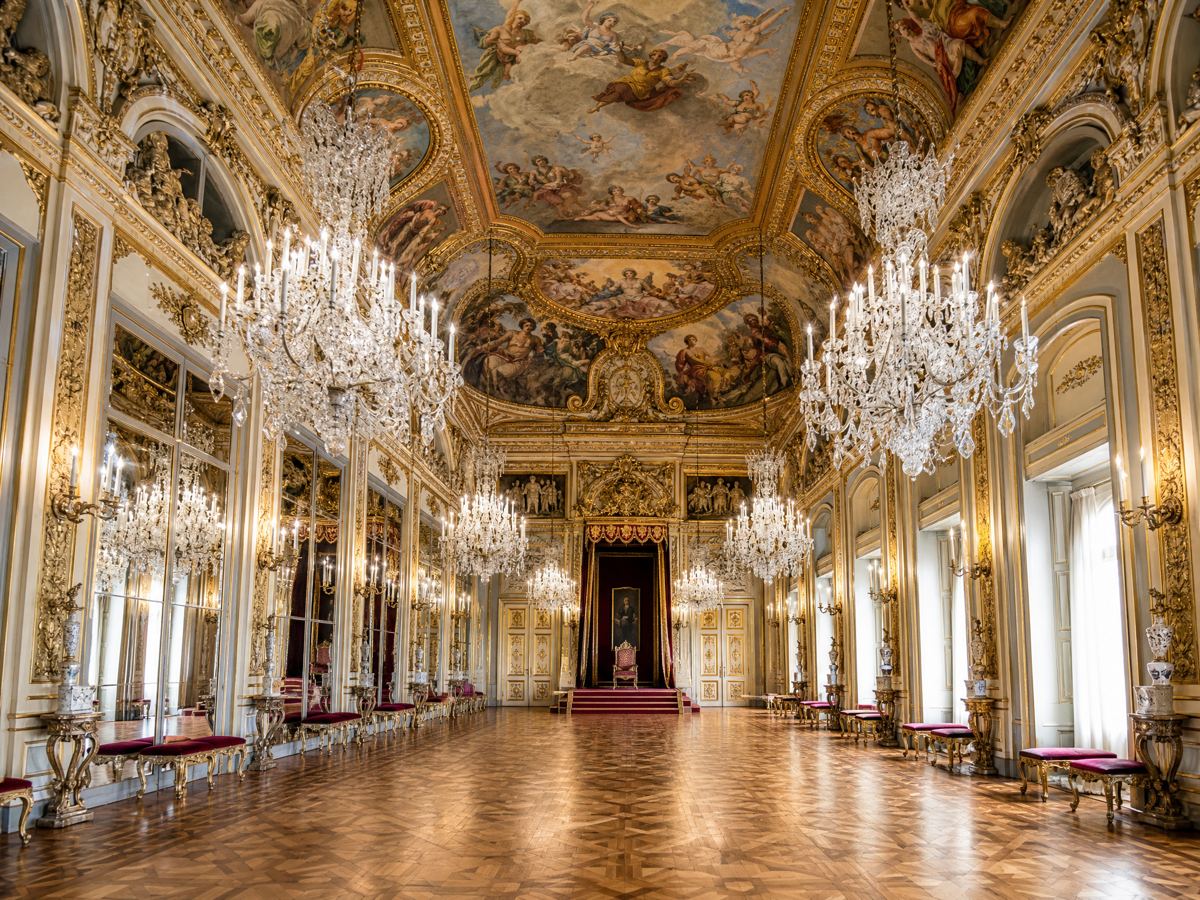
The star of the guided tour. Tile panels made around 1670 show eight battles of the Restoration War against Spain, from Montijo in 1644 to Montes Claros in 1665. Look for the 1st Marquis fighting a Spanish general.
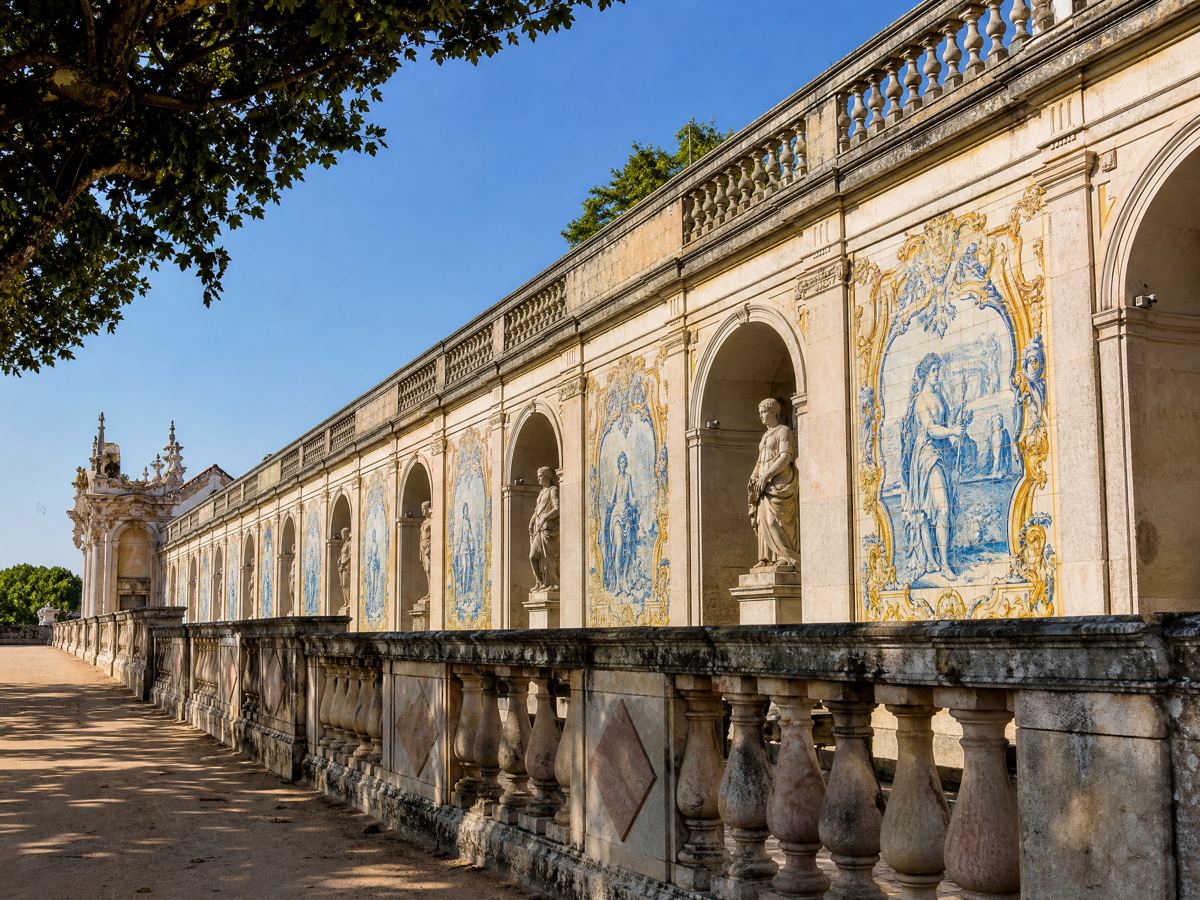
A terrace of arched niches in polychrome tiles: the seven liberal arts, the Muses and the classical gods of the planets, with statues set between them. It links the house to the chapel, which is where the tour ends.
Standard palace tickets are sold by the family foundation, not by resellers. What you can book online are private tours that include Fronteira, and tickets for the sights that pair well with it.
Prices shown in USD. Free cancellation up to 24 hours before. Powered by GetYourGuide.
| What's Included | Palace + Gardens Best Value€17 · guided | Gardens Only€8 · €10 with audio | Private Royal Palaces DayFrom $142 / person |
|---|---|---|---|
| Formal garden & Knights' Lake | ✓ | ✓ | ✓ |
| Gallery of Kings & garden tiles | ✓ | ✓ | ✓ |
| Palace interior (Battle Room, library, chapel) | ✓ | — | ✓ entry optional |
| Guide | ✓ palace guide | Audio guide +€2 | ✓ private, all day |
| Queluz, Pena & Cabo da Roca | — | — | ✓ |
| Hotel pickup | — | — | ✓ |
| Booking | Foundation ticket shop | At the gate or online | GetYourGuide · free cancellation 24 h |
| Best for | Most visitors | Garden lovers short on time | Travellers who want Fronteira and Sintra in one day |
| Next step | Prices & Tour Times | Garden Guide | Book Private Tour |
Beyond the headline panels, four details that most visitors walk past.
Garden & terraces
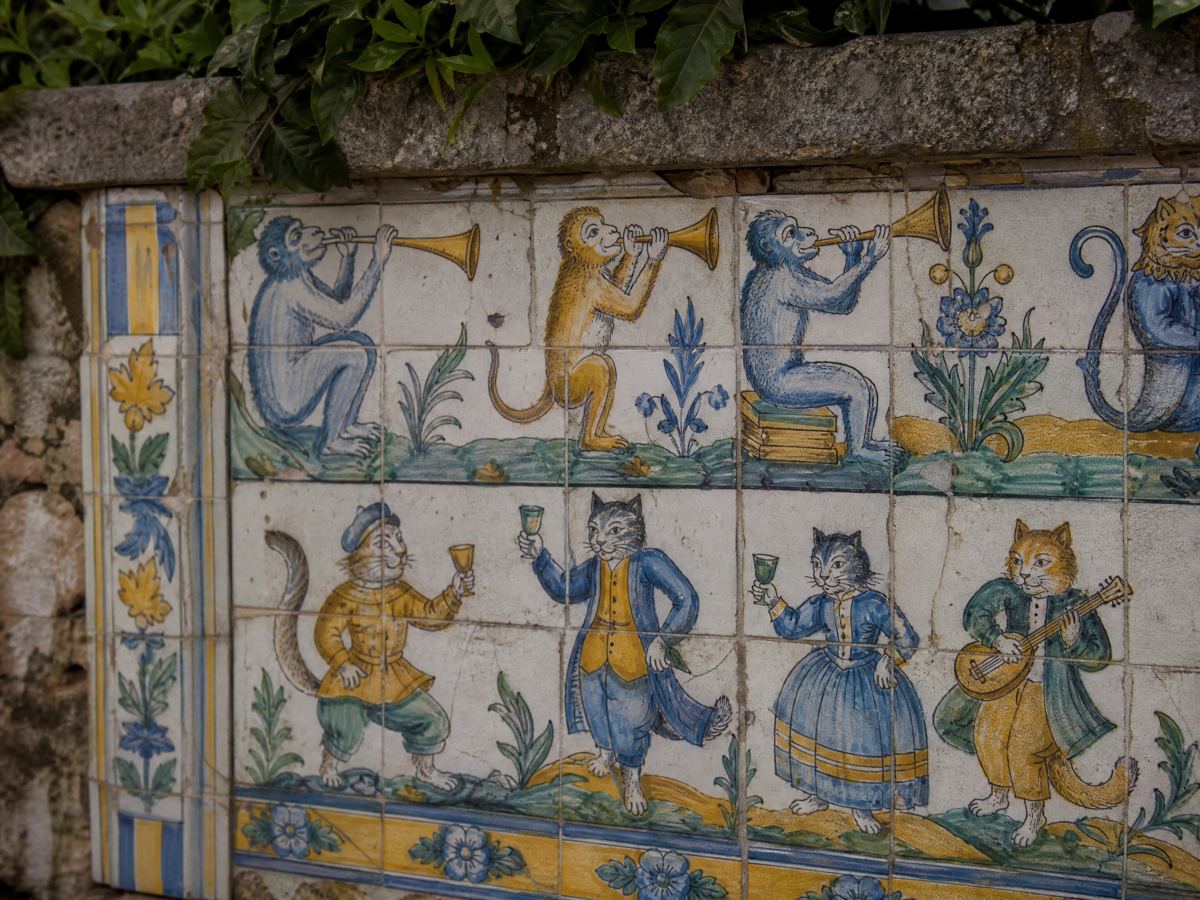
Not every panel is solemn. Look for the macacarias, scenes of monkeys playing instruments and cats behaving like people. They are usually read as satire of human vanity, and they are the tiles children remember.
Formal garden walls
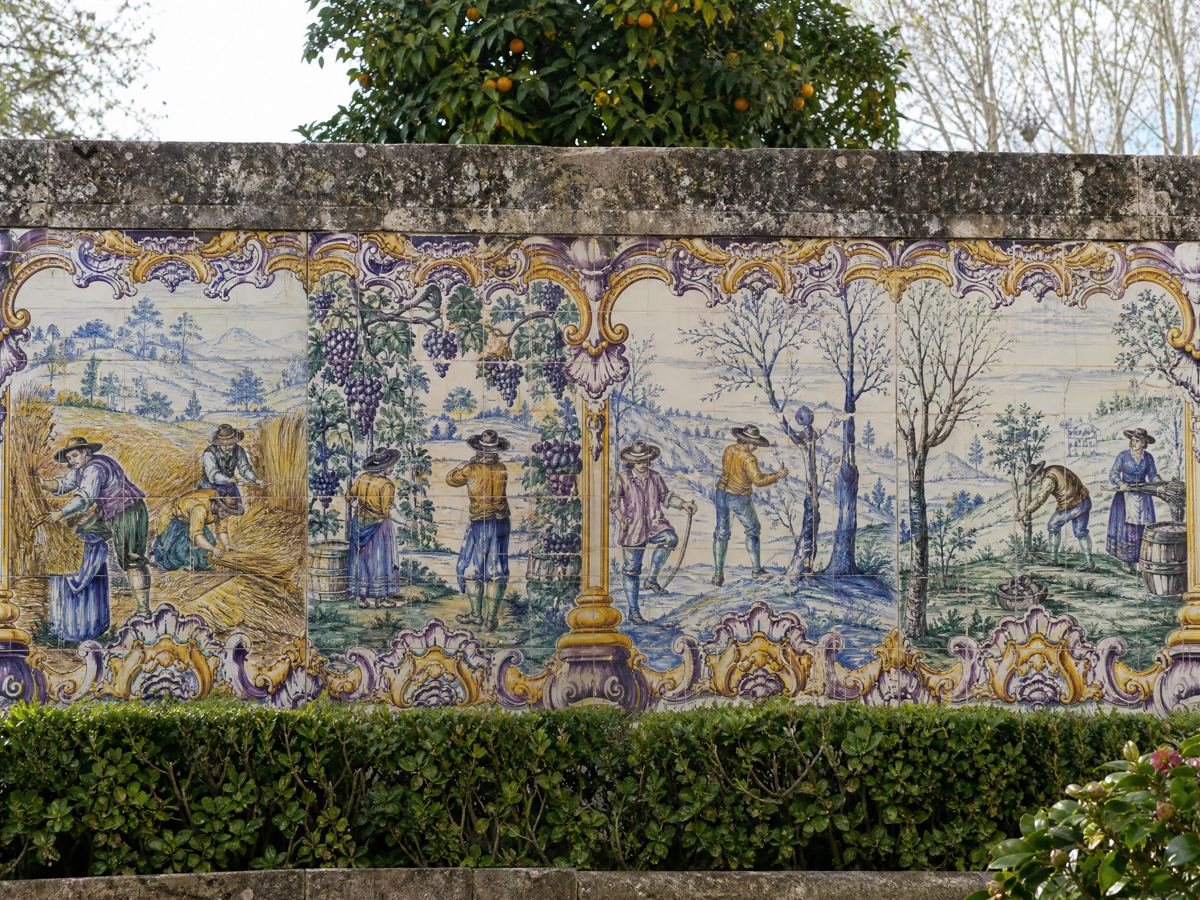
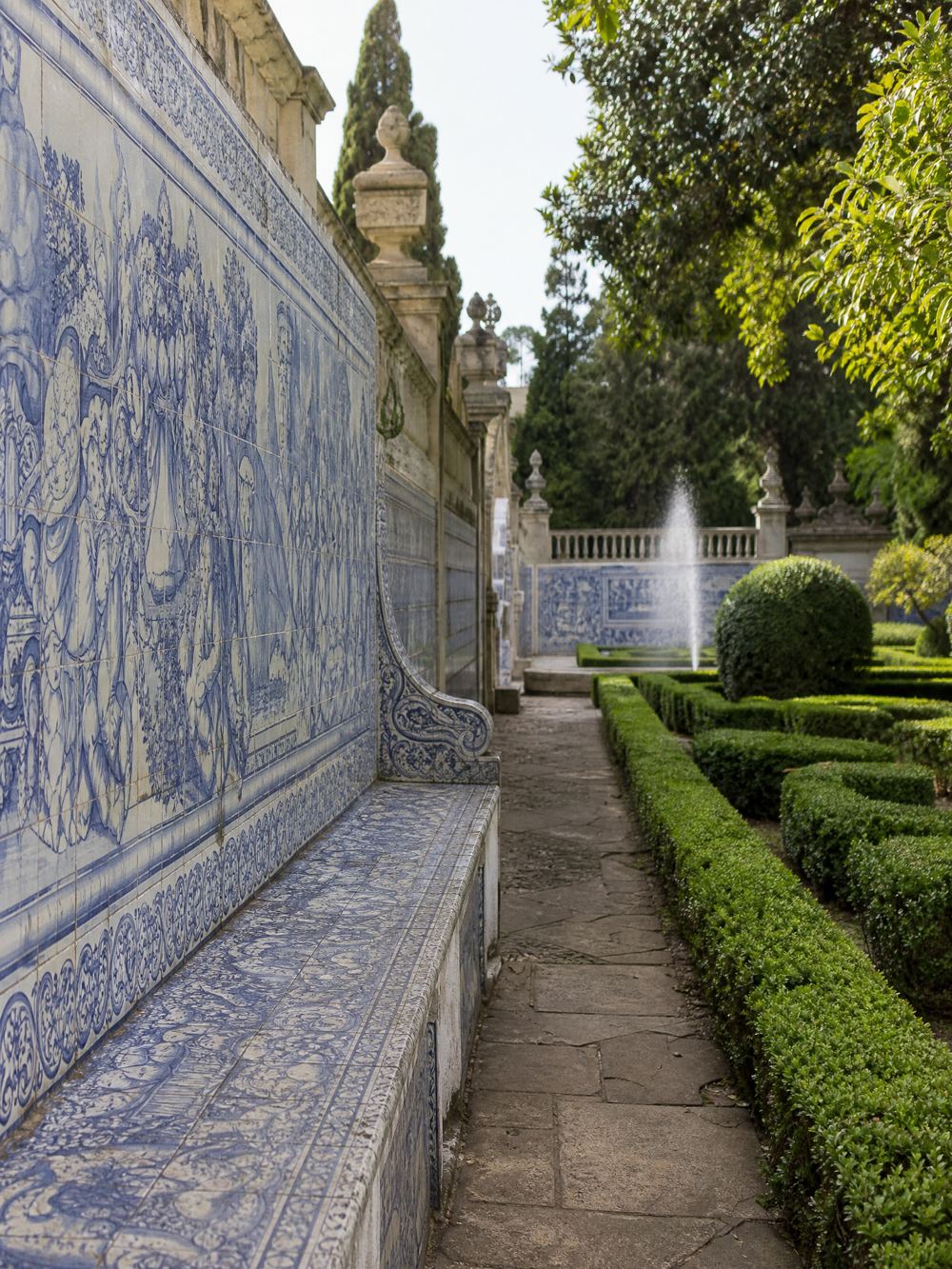
The walls around the formal garden carry polychrome panels of farm work through the year: sowing, harvesting wheat, picking grapes. A farming calendar in glazed clay, set at knee height along the parterre.
Chapel
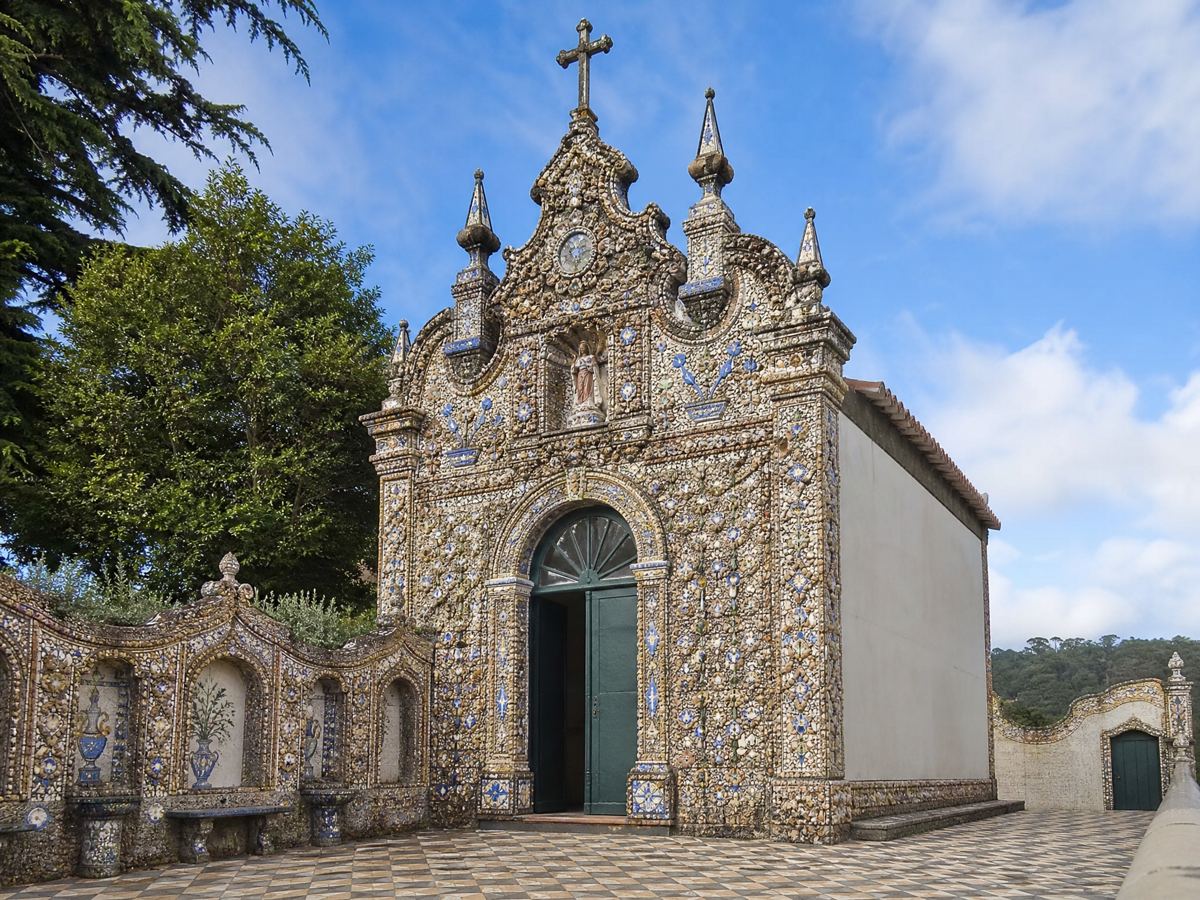
The chapel is the oldest part of the house, from the late 16th century. Its façade is covered in shells, stones, glass and broken porcelain. The story goes that the plates from the inauguration banquet were smashed so no one else could eat from them.
Casa do Fresco
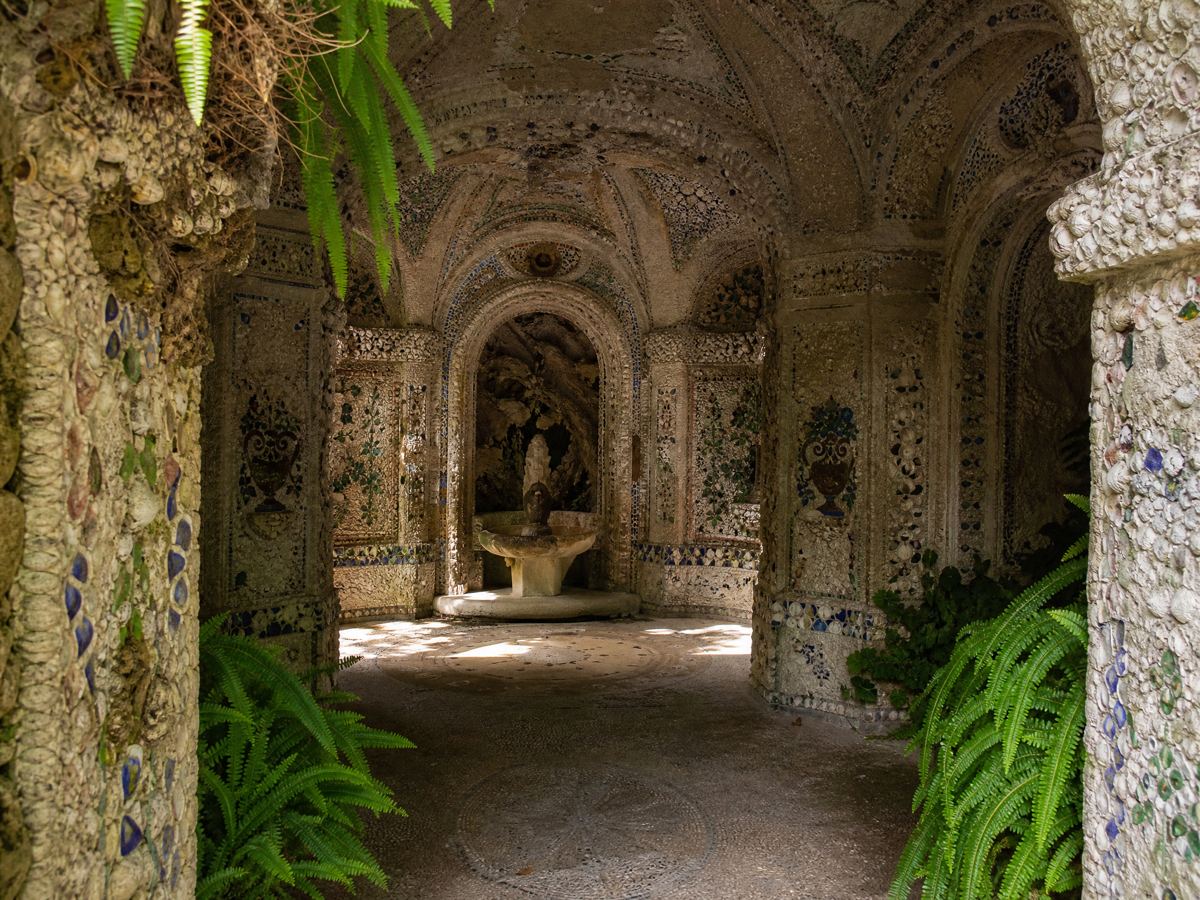
A garden grotto built to stay cool through Lisbon summers, its walls and vault covered in embrechados: shells, glass and porcelain set in mortar. Elsewhere in the garden, one fountain is said to include fragments of Ming porcelain.
Take a morning tour (10:00 or 11:30 in English) and stay in the garden afterwards. The light on the Knights' Lake is best before noon, and the garden is quietest early on weekdays.
Interior visits are always guided, max 20 people per tour. English slots can fill up, especially in spring and summer. Book online the day before on the foundation's ticket shop.
Palace tour: about 60 minutes. Garden afterwards: 30–60 minutes. Add 25–40 minutes each way from the centre by metro and on foot, or by bus 770.
If you're short of time or on a budget, the gardens alone cost €8 (€10 with audio guide), open 10:00–18:00 with no fixed slot. You'll see the Knights' Lake and Gallery of Kings, but not the Battle Room.
The palace and gardens are closed every Sunday, and on Christmas, New Year and Easter. They do open on Portuguese public holidays, which makes them handy when museums are shut.
Bring your camera for the garden. Inside, it is a family home and photography in the rooms is restricted, so follow the guide. The classic shot is from the Gallery of Kings down over the lake.
Tour times, getting to Benfica, or fitting Fronteira into a day with Sintra: ask us.
Contact Us →The family, the war that paid for the house, the tiles, and how to see it all without a wasted journey.
Most visitors to Lisbon never get to Benfica. It is a residential district out by the zoo and the Monsanto forest, and the metro map gives no hint that a 17th-century palace is waiting there.
That is its advantage. Tours are capped at 20 people, the garden has a handful of visitors at a time, and you can stand alone in front of tile panels that would have queues in the city centre.
The Fronteira Palace is not a museum. It is the home of the Mascarenhas family, descendants of the 1st Marquis, who built it around 1670. The rooms on the tour are lived-in rooms, and some doors stay closed because there is someone behind them.
Since 1987 a family foundation has opened the house to visitors and runs concerts, talks and exhibitions in the Battle Room.
Dom João de Mascarenhas built Fronteira as a summer house and hunting lodge, outside the city. When Cosimo III de' Medici visited Portugal in 1668, it was almost finished.
The 1755 earthquake destroyed the family's main house in downtown Lisbon. Fronteira survived, and the family moved here for good, enlarging the palace into the home you see today.
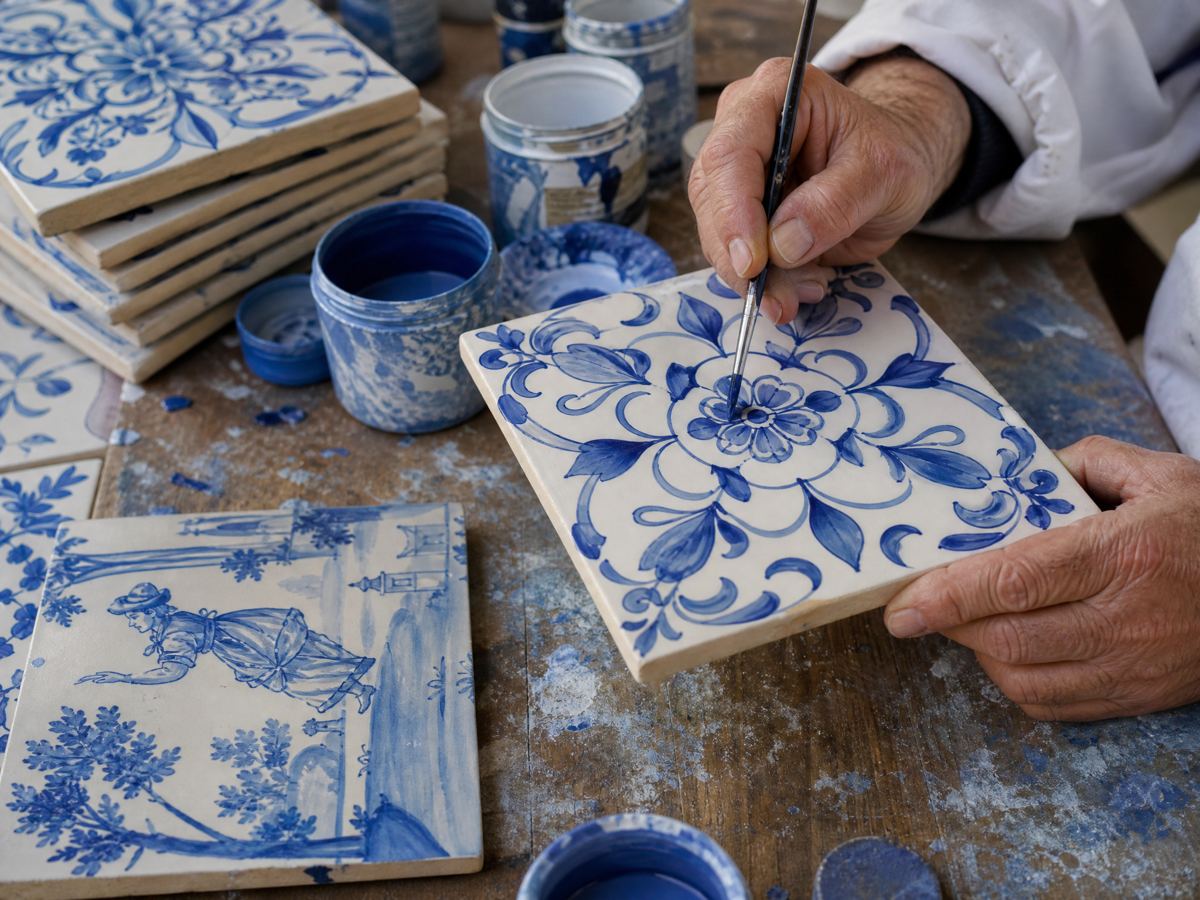
The palace holds the largest collection of 17th-century azulejos still in their original place. Most tiles of that age in Lisbon have been moved to museums or lost; here they are on the walls they were made for.
The 1st Marquis and his wife, Madalena de Castro, commissioned most of them in the 1670s, Portuguese work alongside Dutch tiles in the dining room.
The marquisate was a reward. Dom João fought for the House of Braganza in the Restoration War, the 28-year struggle that ended Spanish rule over Portugal in 1668. He received the title Marquis of Fronteira in 1670.
The Battle Room is his memoir in tiles: eight battles, from Montijo in 1644 to the encounter at Chaves in 1667, with the Marquis himself in the thick of it.
The garden covers about 5.5 hectares. Below the house is the formal garden: boxwood parterres, five fountains, statues and tiled benches. Beyond it, the Knights' Lake and the Gallery of Kings form the grand set piece.
Higher up are the Venus garden, the Casa do Fresco grotto, and an orange garden redesigned in 2010 by landscape architect Cristina Castel-Branco with tiles by Eduardo Nery.
The regular guided visit covers the Battle Room, the Panel Room, the Four Seasons (or Intimate) Room, the Juno Room, the library, the Liberal Arts Terrace and the chapel. It lasts about an hour and ends in the garden.
Twice a month the foundation runs themed tours on the azulejos or on writers who lived in the palace; dates are announced on its website.
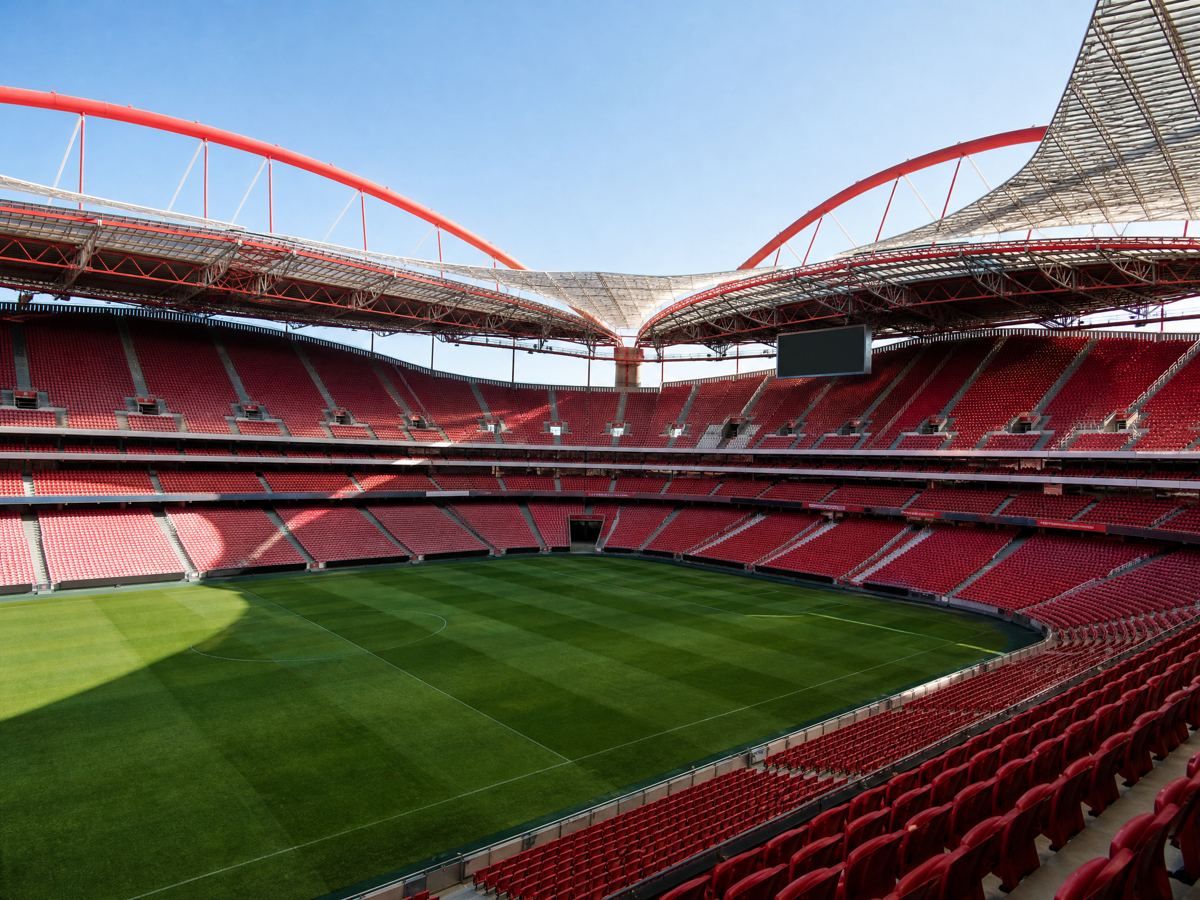
Fronteira sits at the foot of the Monsanto Forest Park, Lisbon's big green lung. The zoo is by the metro station. Benfica's Estádio da Luz is three stops up the blue metro line.
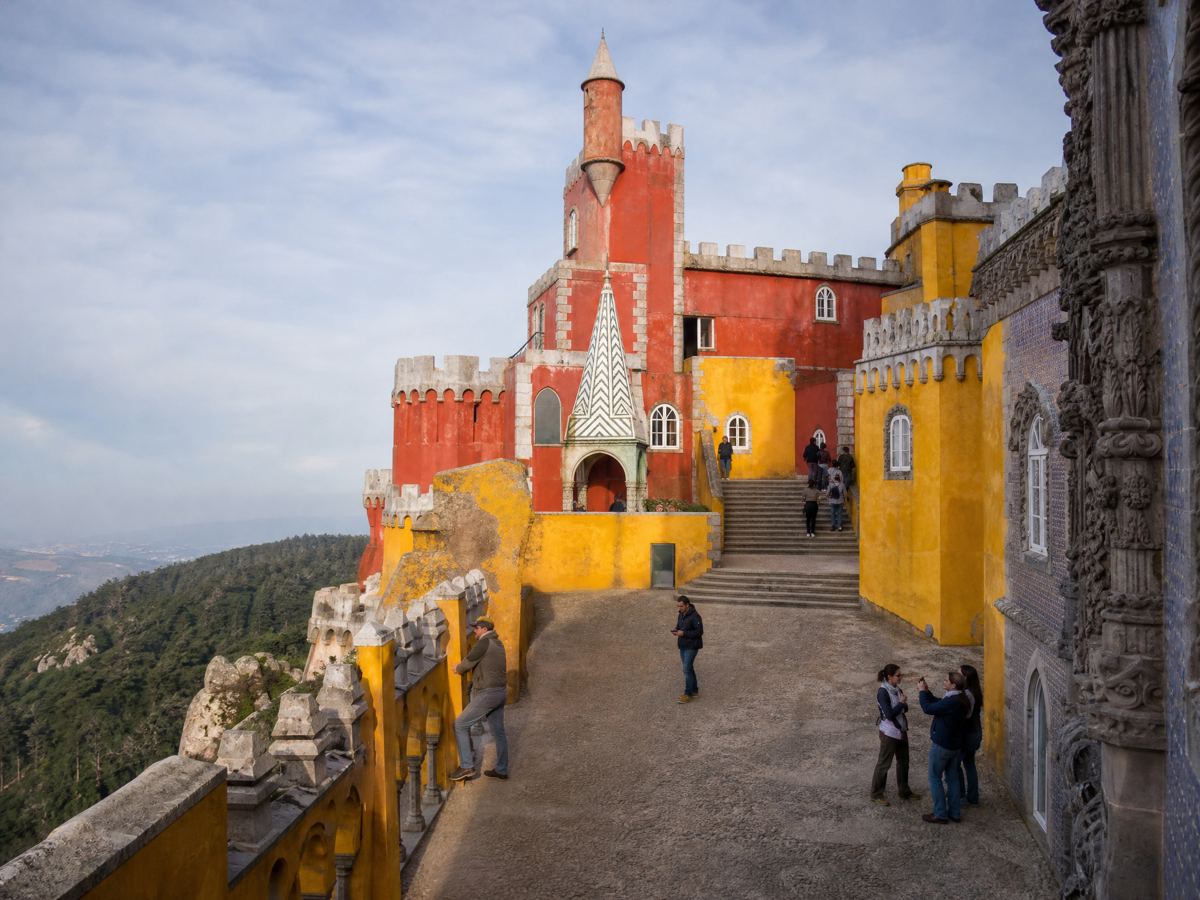
Or go further: the private tour on GetYourGuide continues to Queluz, the Pena Palace in Sintra and the cliffs of Cabo da Roca.
Get there 15 minutes before your tour time. You can wander the front garden and the reflecting pool while you wait; the upper garden opens up once the tour ends.
The palace is out of the tourist centre. From Jardim Zoológico metro, follow the green line on the pavement (about 15 minutes) or wait for bus 770. A taxi from Baixa takes 15–20 minutes.
The foundation sometimes cancels house tours for events, and posts it on its site (gardens-only days). Check before you set out, especially on Saturdays.
Sintra's palaces are bigger and busier. Fronteira is smaller, quieter and better for tiles. With one free day, do both: the private tour covers them in order.
Check prices and tour times, or book a private day that combines Fronteira with Queluz, Pena and Cabo da Roca.